

Square Bean Coffee
UGANDA ROBUSTA SPECIALTY NATURAL – FILTER ROAST
UGANDA ROBUSTA SPECIALTY NATURAL – FILTER ROAST
Couldn't load pickup availability
Share
Bold, Complex Ugandan Specialty Robusta for Filter Brewing
Robusta has a reputation problem. Most people associate it with bitterness, harshness and cheap blends — and for good reason, because most commodity Robusta deserves that reputation. This is not that coffee.
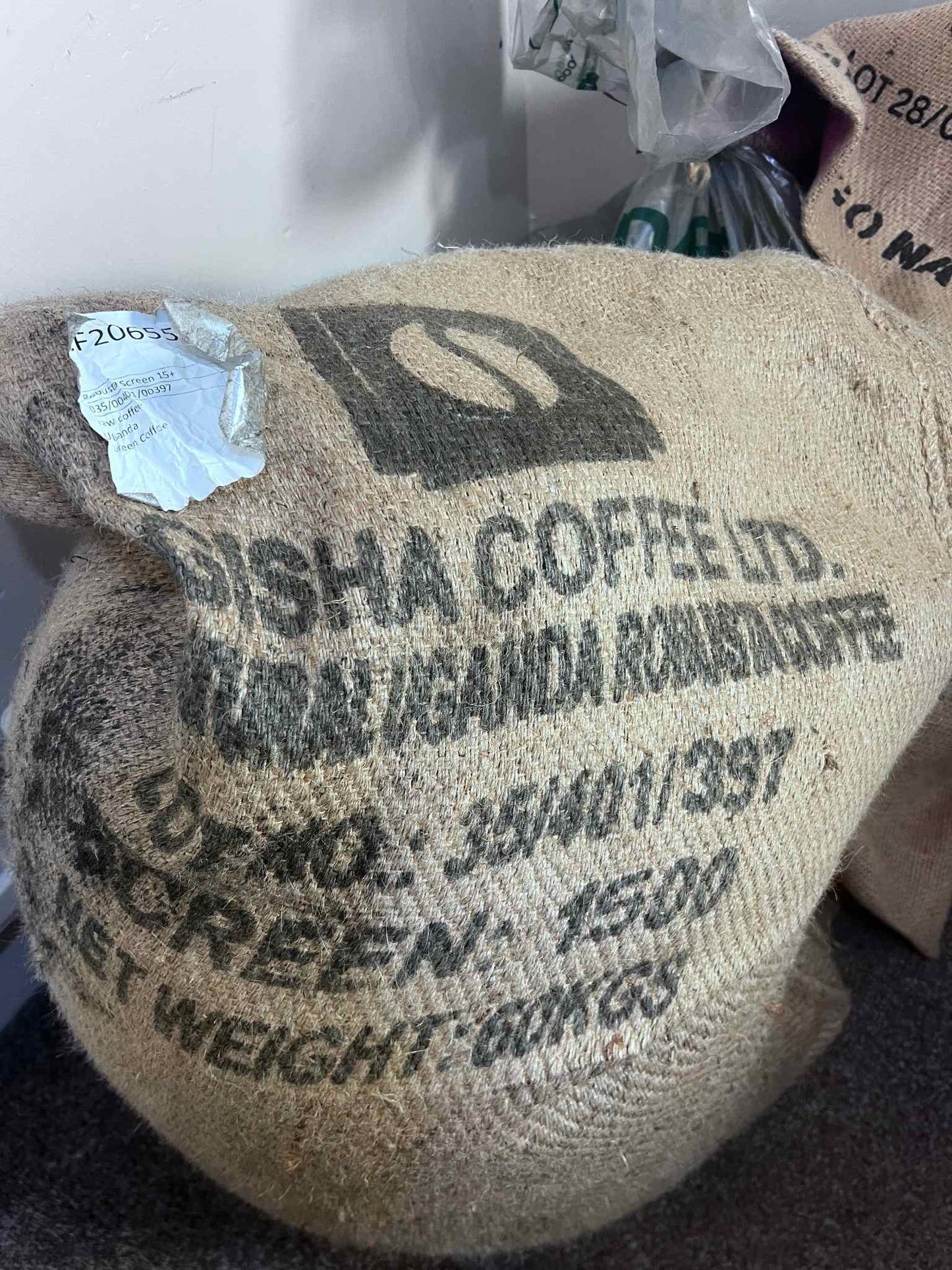
This natural-processed lot is sourced through Falcon Specialty, carefully selected and graded to Screen 15, and scores 81 SCA points as a Fine Robusta — a category that barely existed a decade ago. In the cup it delivers something genuinely surprising: baker's chocolate, black pepper and a gentle smokiness, with ripe stone fruit underneath and a full, weighty body that lingers.
Uganda is the birthplace of Robusta — Coffea canephora is indigenous to the country — and this lot represents what the variety can achieve when treated with the same care as specialty Arabica.
Ideal if you enjoy:
- Bold, full-bodied filter coffee with real intensity
- Something genuinely different from standard Arabica profiles
- High-caffeine coffee with actual cup character
Quick Reference
| Origin | Uganda |
| Species | Robusta (Coffea canephora) |
| Sourced via | Falcon Specialty |
| Grade | Screen 15, Fine Robusta |
| Process | Natural |
| Harvest | 2025 |
| Cup Score | 81 (Fine Robusta) |
| Roast Level | Medium-Dark |
Taste Profile
Sweetness: ●●●○○
Body: ●●●●●
Acidity: ●○○○○
A bold, structured cup with baker's chocolate and ripe stone fruit at the core, a black pepper kick, and a gentle smokiness on the finish. Full body, low acidity, long and intense.
How to Brew
Best methods:
- French press — immersion brewing suits Robusta's full body, and the metal filter lets its oils through for a rounder, heavier cup.
- Batch brew — a steady, consistent extraction that handles Robusta's density well and is easy to dial in and repeat.
- Cafetière — the same immersion logic as French press; simple and forgiving, and it shows off the body and chocolate notes.
- AeroPress — a short contact time and paper filtration keep the cup clean while still capturing Robusta's depth.
Water temperature: 92–94°C — Robusta benefits from slightly lower temperatures than typical for filter
Grind: Medium-coarse
Ratio: Start at 1:15 — the full body means you can go slightly shorter than usual
If it tastes bitter: Go slightly coarser on the grind, brew at the lower end of the 92–94°C range, and shorten your brew time. Robusta is denser than Arabica and over-extracts easily — these three adjustments are usually enough to fix a harsh or bitter cup without switching beans.
Tip: Works exceptionally well blended with a lighter Arabica — try 20–30% Robusta alongside an Ethiopian or Rwandan natural for an interesting high-caffeine filter blend
Why This Coffee Stands Out
- 81 SCA Fine Robusta score — well above commodity grade, one of the highest-scoring Robustas available
- Uganda: the birthplace of Robusta — Coffea canephora is indigenous to Uganda, where the best examples of the species grow
- Natural processed — fruit sweetness and complexity that commodity Robusta never achieves
- Screen 15 graded — carefully sorted for consistency and quality
- Double the caffeine of Arabica — without the bitterness you'd expect
- Roasted to order — fresh and dispatched promptly
About Specialty Robusta
Robusta (Coffea canephora) makes up around 80% of Uganda's coffee production and is indigenous to the country — Uganda is widely considered the birthplace of the species. For most of coffee's modern history, Robusta was treated as a commodity: harvested indiscriminately, processed poorly, and sold cheap. The result was a reputation for bitterness and harshness that put specialty roasters off entirely.
That's changing. A growing number of producers are applying specialty Arabica techniques — selective picking, careful natural processing, proper grading and sorting — to Robusta. The results are genuinely surprising: complex, structured coffees with real cup character that score above 80 on the SCA scale. This lot is one of them.
Who This Coffee Is (and Isn't) For
Perfect for:
- Bold, full-body filter coffee drinkers who want intensity and character
- Anyone curious about what specialty Robusta can actually taste like
- High-caffeine seekers who don't want to sacrifice cup quality
- Home blenders — this works beautifully alongside lighter Arabica lots
Not ideal if:
- You prefer bright, delicate, high-acidity filter coffee
- You are sensitive to caffeine — Robusta contains roughly double the caffeine of Arabica
Frequently Asked Questions
What does Uganda Specialty Robusta taste like?
Baker's chocolate, black pepper and a gentle smokiness, with ripe stone fruit underneath and a full, weighty body. Bold and intense rather than bright and delicate.
Is Robusta just a cheap, bitter coffee?
Commodity Robusta is — but specialty Robusta is an entirely different proposition. This lot is carefully selected, naturally processed, graded to Screen 15 and scores 81 on the SCA scale. The result is a complex, characterful coffee that challenges the category's reputation entirely.
How much caffeine does Robusta have?
Roughly double that of Arabica — typically 2.2–2.7% caffeine content vs 1.2–1.5% in Arabica. If you are caffeine sensitive, this is worth knowing before you brew.
Can I blend this with other coffees?
Yes — it works very well blended with lighter Arabica lots. A 20–30% Robusta blend alongside an Ethiopian or Rwandan natural creates an interesting, high-caffeine filter coffee with good body and complexity.
What is Fine Robusta?
Fine Robusta is a quality classification for Robusta coffees scoring above 80 on the SCA scale — the equivalent of specialty grade for Arabica. It represents a small and growing category of carefully produced Robusta lots that achieve genuine cup complexity.
What grind options are available?
Whole bean, or pre-ground for filter/V60, Chemex, or cafetière — select at checkout.
How fresh is it?
Roasted to order and dispatched promptly.
Is there an espresso roast version?
Yes — see our Uganda Robusta Espresso Roast.
How do I brew robusta beans for less bitterness?
Go slightly coarser on the grind, brew at the lower end of the 92–94°C range, and shorten your brew time. Robusta is denser than Arabica and over-extracts easily, which is what causes harshness — these three adjustments usually fix it.
Is there a decaf robusta coffee?
Not currently. If you want a lower-caffeine option in the meantime, our Ethiopia Lala Salama Sparkling Water Decaf is decaffeinated without chemical solvents — a different origin and process, but a genuine low-caffeine alternative.
Is robusta coffee cheap?
Robusta grown as a commodity crop is priced for volume, which is where its reputation as "the cheap coffee" comes from. This lot isn't that: it's naturally processed, Screen 15 graded and scores 81 SCA points — priced for quality, not for how cheaply it can be produced at scale.

Fantastic beans. Great roast and super fresh on delivery. It was my first time trying robusta but it is now my favourite. Would highly recommend.
Amazing coffee beans. I hadn't had robusta before so I got a small bag to try they were fantastic so ordered a larger batch. Super fast delivery and Kev is fast to reply to any queries I had